
Princeton Optimization

Scaling Optimization to Solve the Hardest School Scheduling Problems

Building a high school or middle school schedule is a deceptively difficult problem. A school assigns hundreds or thousands of students to course sections while simultaneously scheduling teachers and classrooms over periods, days and terms. Students have individual course requests. Teachers and rooms have limited availability. Sections have capacity limits. Courses may meet on different […]

Making Optimization Work in Production: Lessons from Large-Scale Applications

Following are lightly edited excerpts from Rob’s recent webinar (watch the recording here). An optimization model can perform beautifully in development but struggle or fail when it reaches production. The reason is straightforward: production changes the rules. A prototype often operates against a controlled dataset and can be given considerable time to find an answer. […]

Tools, Training and Testing: Optimizers Discuss AI Precision Agents

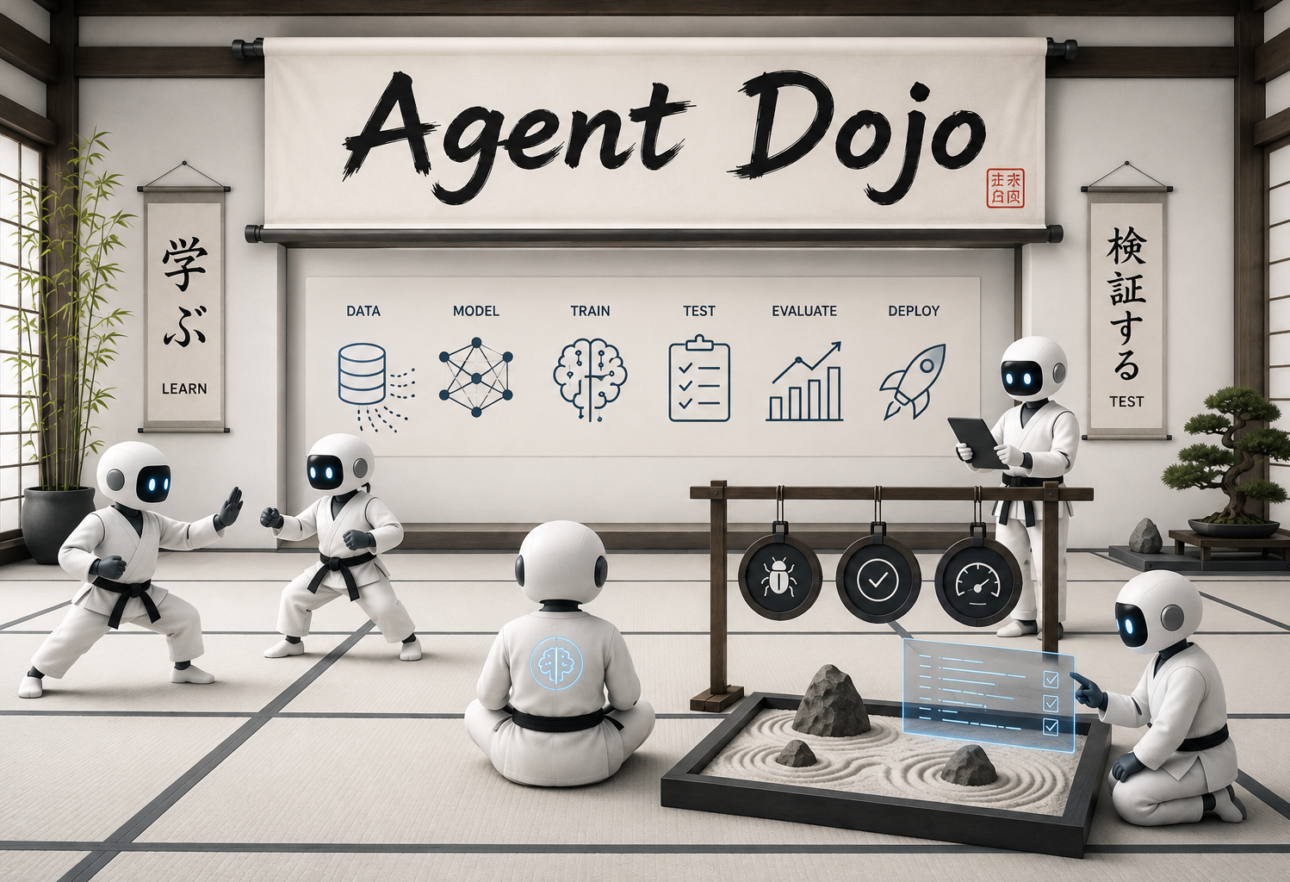
Following are lightly edited questions and answers from Patricia’s presentation on Orchestrating Optimization with Precision Agents at the INFORMS Analytics+ conference and in a subsequent webinar (watch the recording here and see Patricia’s previous blog post for reference.) Question: What is the difference between an agent and a tool? Patricia: The agent is the decision […]

From Monolithic Models to Decision Ecosystems: Orchestrating Optimization with AI Precision Agents

This post is based on Patricia’s presentation at the INFORMS Analytics+ Conference and in a subsequent webinar (watch the recording here). For decades, enterprise optimization systems have been built around a familiar assumption: if you can centralize enough data, encode enough constraints, and build a sufficiently sophisticated model, you can produce better operational decisions. That […]

AI in Rail: From Experimentation to Strategic Imperative

Built on precision, safety, and long investment cycles, the rail industry has historically adopted innovation deliberately rather than aggressively. Significantly, AI is reshaping that pattern. Insights from the first two years (2024 and 2025) of the AI In Rail survey, conducted by Princeton Consultants with the Northwestern University Transportation Center (NUTC), point to a clear […]

Working with a Fantastic Toolkit: Q&A About Solution Development

In October I conducted a webinar, “Optimization Solution Development & Deployment, a Framework for Success” (watch it here). Following are lightly edited excerpts from the Q&A with the attendees. Some of the questions relate to the INFORMS Analytics Framework, which is described here. Question: What value does Princeton find in building optimization and analytics solutions […]

Decision Intelligence: Combating Three (Out of Twenty) AI and Optimization Project Risks

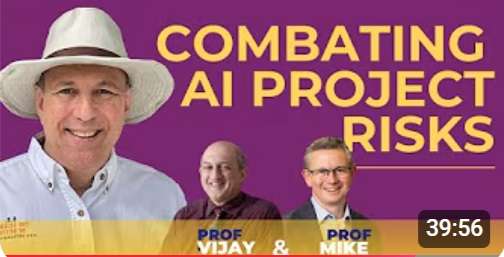
Irv was the first guest on The Decision Intelligence Lab, a podcast hosted by Professor Michael Watson (Northwestern University) and Professor Vijay Mehrotra (University of San Francisco) to “deliver real-world insights for data professionals, business leaders, and anyone seeking to leverage data for smarter decision-making.” Listen to the episode here. Following are lightly edited excerpts. […]

Innovation at UPS and Throughout Transportation and Logistics

For the Optimization Catalyst podcast (listen here) Steve spoke with Suzay Passari, Head of Innovation and Transportation at UPS, and David O’Keefe, head of Alliances America at Gurobi. Following are lightly edited excerpts. Sunzay noted that UPS, a 118-year-old company, presents unique challenges and opportunities for transformation due to its established legacy in technology, processes, […]

Big Data vs. Little Data: Optimizing with Databricks

At the INFORMS Analytics+ Conference in Indianapolis, Irv presented a workshop along with Siddhesh Pore of Databricks, https://www.databricks.com/. They discussed data-first principles and best practices, data prep and engineering, and optimization integrations on the Databricks platform. Following is an edited excerpt from the Q&A at the end of the program. Audience Member: I enjoyed the […]