





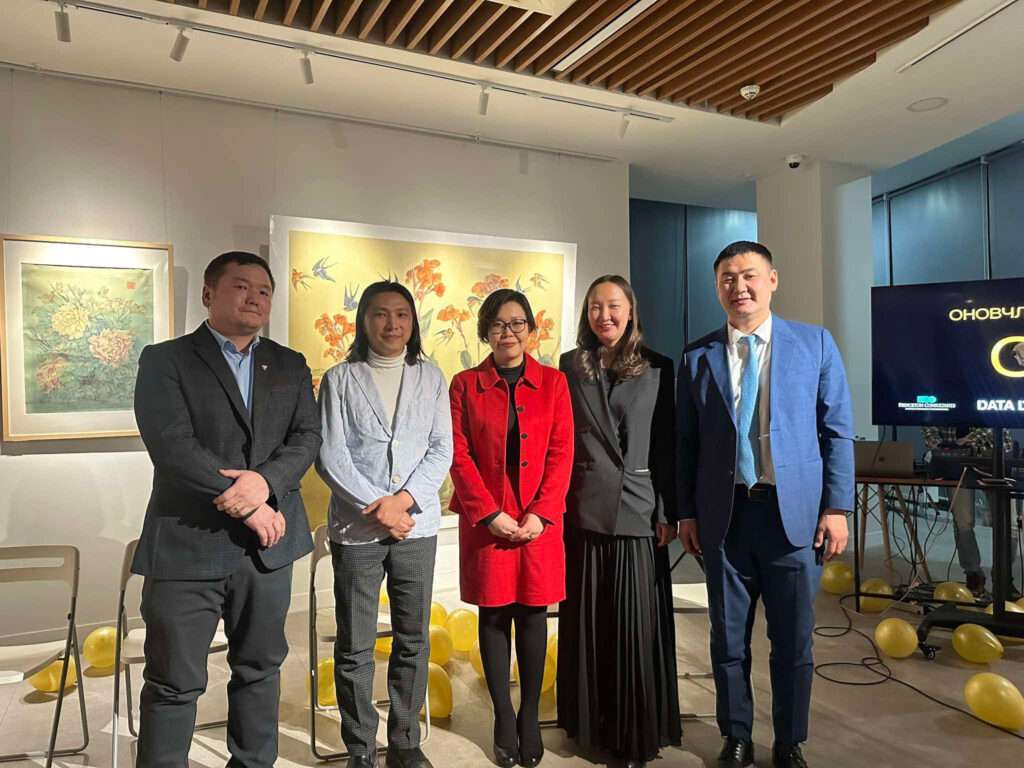
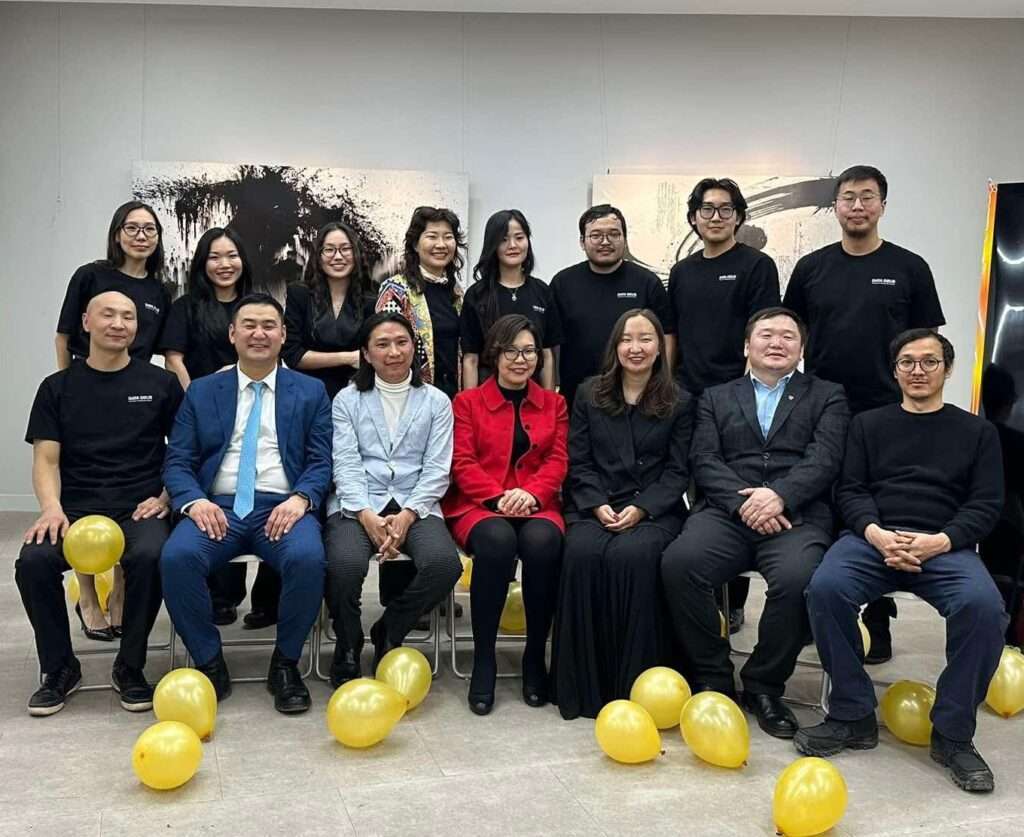
The Optimization Edge: Reinventing Decision Making to Maximize All Your Company’s Assets by Steve Sashihara (available on Amazon Kindle) was translated in 2025 into Mongolian by Dr. Bolor Jargalsaikhan, an optimization practitioner and CEO of Data Deus, based in Ulaanbaatar. View scenes from the launch party here. Bolor kindly answered the following questions.
What has been the reception to your translation and publication of The Optimization Edge?
In Mongolia, there is growing interest in understanding what optimization is and how it can be applied. The Optimization Edge was well received. So far, we’ve sold over 900 copies, which is a great result!
Why is Optimization so important today in Mongolia?
There are companies that have started to collect their data, yet they are lost on how to extract value from it. Others would like to expand their operations and improve their decision-making processes but their current experience-based approach is not scalable. Here comes the optimization: the decision-making support tool proposing the “optimal” solution.
What industries and problems are ripe for Optimization in Mongolia? Is Optimization becoming “hot” in Mongolia and in Asia?
Optimization offers a systematic way to improve decision making process in general and it could be applied to any industry in Mongolia. There is a growing appetite for tools and methods that go beyond basic analytics or dashboards. Optimization is becoming increasingly relevant, especially in industries like mining, transportation, energy, and finance.
Is there a lot of business interest in and growing usage of AI in Mongolia? Is that helpful for encouraging interest in Optimization?
Absolutely. In recent years, interest in AI has grown significantly in Mongolia. Businesses and government agencies are exploring AI for applications such as traffic management. For example, the capital city of Mongolia, Ulaanbaatar, plans to connect 170 intersections to a unified surveillance camera system, enabling centralized traffic management using Google’s AI technology.
What might American readers find interesting about the optimization/analytics community in Mongolia?
Despite having a relatively small analytics community, Ulaanbaatar faces significant challenges such as heavy traffic congestion and severe air pollution that demand data-driven solutions. This makes the country a unique and valuable real-world testing ground for applying data science to address complex, high-impact problems.
How do you view the academic and business environment for Optimization in Mongolia compared to the Netherlands when you studied and worked there?
The Netherlands has a mature and deeply embedded ecosystem for optimization with strong collaboration between universities, government, and the private sector. In contrast, Mongolia’s environment is still developing but full of potential. While it lacks the institutional maturity, Mongolian businesses are often more agile and open to experimenting with new ideas. This flexibility creates unique opportunities to test new ideas and apply optimization.
What are challenges and opportunities that you find in Mongolia?
Decision-makers in Mongolia still often rely on intuition and experience. While the experience is valuable, there’s a growing need to complement it with data-driven approaches. Shifting mindsets and company culture toward data driven decision making remains a key challenge.
Do you have any comments about optimization solvers or other software that are popular in Mongolia?
Currently, Excel is the most widely used tool. Following the general data analytics technology trend, I am sure that high-performance solvers will be used in the future.
What is the benefit of a book like The Optimization Edge for a practitioner like you who is trying to encourage more interest in Optimization?
There has been a gap between mathematical optimization and business practice: managers understand the value of optimization but do not know how to utilize it. Researchers do understand the framework but lack the domain knowledge. The Optimization Edge is the book that narrows the gap between data science and business practice. Many innovation and data analysis projects have a high risk of failure, but the book provides a recipe on how to successfully implement the data analysis or optimization project. So, it is the guide book on how to create value from your data.
Can you share any representative comments or quotes from readers of the book or from executives whom you have talked to about optimization opportunities?
One client has worked very hard to run their business successfully. Now, having built a solid foundation, they are ready to take the next step and scale their operations. The book offers practical strategies for managing assets effectively and improving operational efficiency.